About Me
Championing Well-Being
A holistic, trauma-Informed and inclusive approach to building personal and collective growth.
To obtain insights and enhance future performance we all need to carefully reflect on our experiences, behaviours and judgements so we learn and foster ongoing personal and professional development.
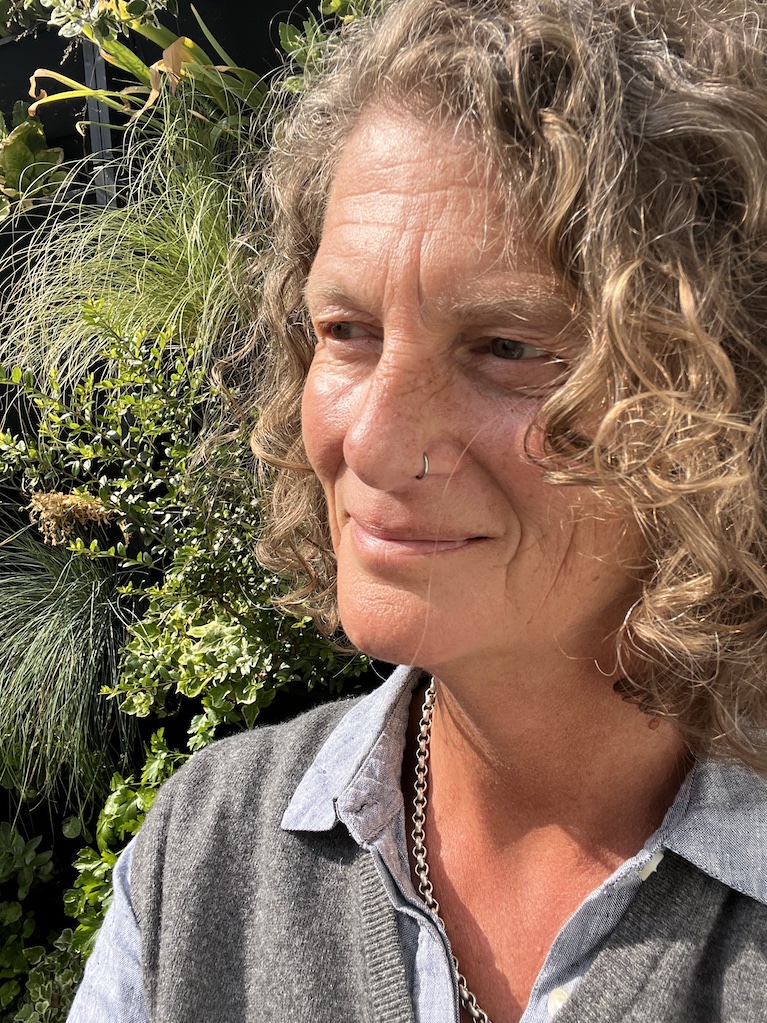
Hallo, I’m Abbe (she/her),
I have over 30 years of experience working with people from all walks of life, both near and far, in the fields of social work and health, where I’ve witnessed first-hand how powerful meaningful reflection can be. During my time as a leader in these fields, I found great satisfaction integrating reflective practice with my teams and others across the organisations.
My approach to this work revolves around embracing our strengths, utilising our assets, and openly acknowledging the areas where we may contribute to challenges or setbacks. It’s in our reflection—whether personal or professional—that we build resilience, foster positive growth, and maintain our wellbeing. This process allows us to take responsibility for improving our performance and enables us to create a healthier work-life balance.
A workforce with good mental health performs to a high level, sustainably, even in the face of the toughest challenges. This goes for everyone—from the leaders at the top of the organization to those whose contributions keep everything running smoothly.
My practice is guided by fundamental beliefs I hold closely, particularly that those who help others need to be well looked after themselves.
Trauma-Informed Practice
I listen intently and participate from a trauma-informed perspective. I believe this approach is essential to understanding people’s emotions and the underlying drivers behind behaviour. Without it, efforts to form future action plans can overlook the core of an individual’s or group’s experience, missing the opportunity to address deeper emotional needs that are often at the heart of their challenges.
Multidisciplinary Approach to Health and Well-being
Much of my professional social work experience has been within acute health services, including A&E and general hospital departments. I have seen firsthand that a collaborative, multidisciplinary approach to acute and primary health, social care, housing, addiction services and education leads to the best outcomes for communities. This holistic model ensures people’s needs are met from every angle, fostering greater opportunities for recovery and support.
International Experience in Addiction Counselling
For a few years, I worked in an international team of addiction counsellors in a residential rehabilitation service in the West Indies, set up for local residents whose livelihoods in fishing and farming were impacted by the rise of the more profitable tourism industry. This experience deepened my understanding of the social and economic factors that contribute to addiction and how essential the opportunity to change environments and the people around us is to recovery. I also worked with homeless people with addictions and co-morbid mental health diagnoses, and I continue to maintain a strong interest in these areas of addiction and mental ill-health.
Focus on Families and Young People
Early in my career, I spent many years working with children and young people in care settings. Witnessing the profound disadvantage and hardship many of these children faced, and how it shaped their ability to navigate the world, was incredibly challenging. Having my own children only deepened my passion for the welfare of families and their young members. Today’s young people are tomorrow’s communities, and their mental and emotional well-being will shape the future.
I am committed to supporting families through conflicts and challenges, helping individuals within them realize their potential to improve communication, understanding, and cohabitation. This work is fundamental to nurturing healthy family life and promoting resilience in future generations.
Commitment to Equality and Diversity
I firmly believe that all individuals have the right to equal access to services, resources, and opportunities, whether they are provided privately or by the state. Services should be delivered equitably, treating all individuals fairly without discrimination based on status, race, gender, faith, background, or abilities. Diversity should be embraced, and everyone should be afforded the opportunity to express their perspectives and participate fully.
Safeguarding and Prevent
I am committed to safeguarding individuals who may be vulnerable to abuse, neglect, or extremist influences. I believe that all professionals, especially those in positions of care or authority, have a duty to protect individuals from harm and ensure that they are not drawn into harmful ideologies or behaviours. This responsibility is central to ethical practice and is reinforced by the legal framework that upholds the rights and safety of all individuals in a democratic society.